Best Childcare in Edensor Park: What Parents Should Look For

When parents ask us how to find the best childcare in Edensor Park, I understand why they want a clear answer.Choosing a centre can feel like one of the biggest decisions you make in your child’s early years. You are trusting other people with someone who means everything to you. You want your child to be safe, but you also want more than supervision. You want them to be understood, comforted, encouraged and given meaningful opportunities to learn.The difficulty is that most childcare websites use similar words. Almost every centre will describe itself as caring, nurturing, or high-quality. Those words may be sincere, but they do not tell you what your child’s day will actually feel like.The best way to choose is to look beneath the promises. Pay attention to how educators interact with children, how the environment has been planned, what happens when a child needs help and whether the centre is willing to answer your questions properly.There may not be one centre that is best for every family. There can, however, be a centre where your child feels secure, where you feel heard and where the care provided matches what matters to your family.


Begin With the Way Children Are Treated

You can learn a great deal about a childcare centre by watching the small moments.Notice whether educators come down to a child’s level when speaking with them. Listen to the tone they use. Watch what happens when a child is upset, unsure or trying to join an activity. Look for educators who respond calmly rather than rushing children through the moment.Warm relationships are not an optional extra in early learning. They help children develop a sense of security and belonging. The National Quality Standard recognises responsive and respectful relationships as a core part of quality education and care.Children are more likely to explore, communicate and participate when they know the adults around them are dependable. That trust is built through repeated everyday experiences. An educator remembers how a child prefers to be comforted. They notice when someone is quieter than usual. They give a child time to answer rather than speaking for them.During a centre visit, ask yourself:Do the children appear comfortable approaching educators?Are educators engaged with the children, or are they mainly completing tasks around them?Are children spoken to respectfully?Are their ideas and choices acknowledged?Does the room feel calm and purposeful?Would I feel comfortable raising a concern with these people?Try not to judge the centre only by how cheerful everyone appears during a scheduled tour. Look for genuine interactions rather than a performance prepared for visitors.

Ask How Educators Will Get to Know Your Child

Your child should not have to fit into one fixed way of doing things.Every child arrives with their own routines, interests, temperament, culture, family experiences and ways of communicating. Some children move confidently into a new space. Others need more time to observe before they participate. Some seek physical reassurance while others prefer a little space.A good centre should want to know these details before your child begins.Ask what information the educators collect about home routines, sleep, meals, comfort strategies, interests, languages, allergies and additional needs. Find out whether you can attend orientation visits and spend time helping your child become familiar with the environment.Orientation should be more than a brief walk through the rooms. It gives your child an opportunity to recognise faces, explore gradually and begin forming a connection with the people who will care for them.Something as simple as bringing a family photo can also provide comfort. A familiar image gives educators a natural way to talk with your child about the people who are important to them and can help connect home with the new setting.There is no single settling process that works for every child. What matters is whether the centre listens and adapts.

Look Beyond the Number of Educators in the Room

Educator-to-child ratios are important because they set minimum staffing requirements. Under the National Quality Framework, centre-based ratios generally include one educator for every four children from birth to 24 months, one for every five children aged over 24 months and under 36 months and one for every ten children from 36 months to preschool age in New South Wales. You can check the current requirements through ACECQA’s educator-to-child ratio guidance.Ratios are a useful starting point, but numbers alone do not tell you everything.Ask how educators are positioned throughout the day. A centre may technically meet its ratio while children and staff move between rooms, meals, sleep areas and outdoor spaces. You want to understand how the team maintains meaningful supervision and support during those transitions.Qualifications matter too. Qualified educators bring knowledge of child development, learning, behaviour, safety and inclusive practice. Experience also matters because it helps educators recognise patterns, respond calmly and understand how differently children can communicate the same need.You can ask:What qualifications do the educators hold?Is an early childhood teacher involved in the preschool program?How does the centre support professional development?How long have educators worked at the centre?How are staff changes communicated to families?Who will be your child’s main point of connection?At Kids Central Edensor Park, our Centre Manager, Sarah Crossan, has progressed through the early childhood sector from a trainee role into centre leadership. She also values remaining present with educators and children rather than leading only from an office.That kind of presence matters. Centre leadership influences the support educators receive, the consistency families experience, and the culture children enter each day.

Check Whether Inclusion Is Visible in Everyday Practice

A centre can say it welcomes every child, but inclusion should be visible in the way the service operates.Look at the books, displays, dolls, music, dramatic play materials, and celebrations throughout the centre. Do they reflect different cultures, family structures, abilities and languages? Are resources available that help children see both themselves and other people represented respectfully?Inclusion is also about participation.A child with a disability, developmental difference, communication need, or medical condition should not merely be present in the room. The program and environment should be considered carefully so that the child can participate meaningfully.Ask how educators:Adapt experiences for different abilities and learning stylesCommunicate with families about individual supportWork with allied health professionals when appropriateSupport children who use languages other than EnglishRespond to dietary, cultural or religious requirementsHelp children understand difference with respectKids Central’s child-safety commitment specifically recognises the cultural safety of Aboriginal children, children from culturally and linguistically diverse backgrounds and children with disabilities. The centre also describes diversity, inclusion, and family partnerships as central to its approach.Edensor Park is home to families from many cultural and linguistic backgrounds. A local early learning centre should be ready to listen to families rather than assuming every household follows the same routines, traditions or expectations.

A Beautiful Centre Still Needs a Purpose

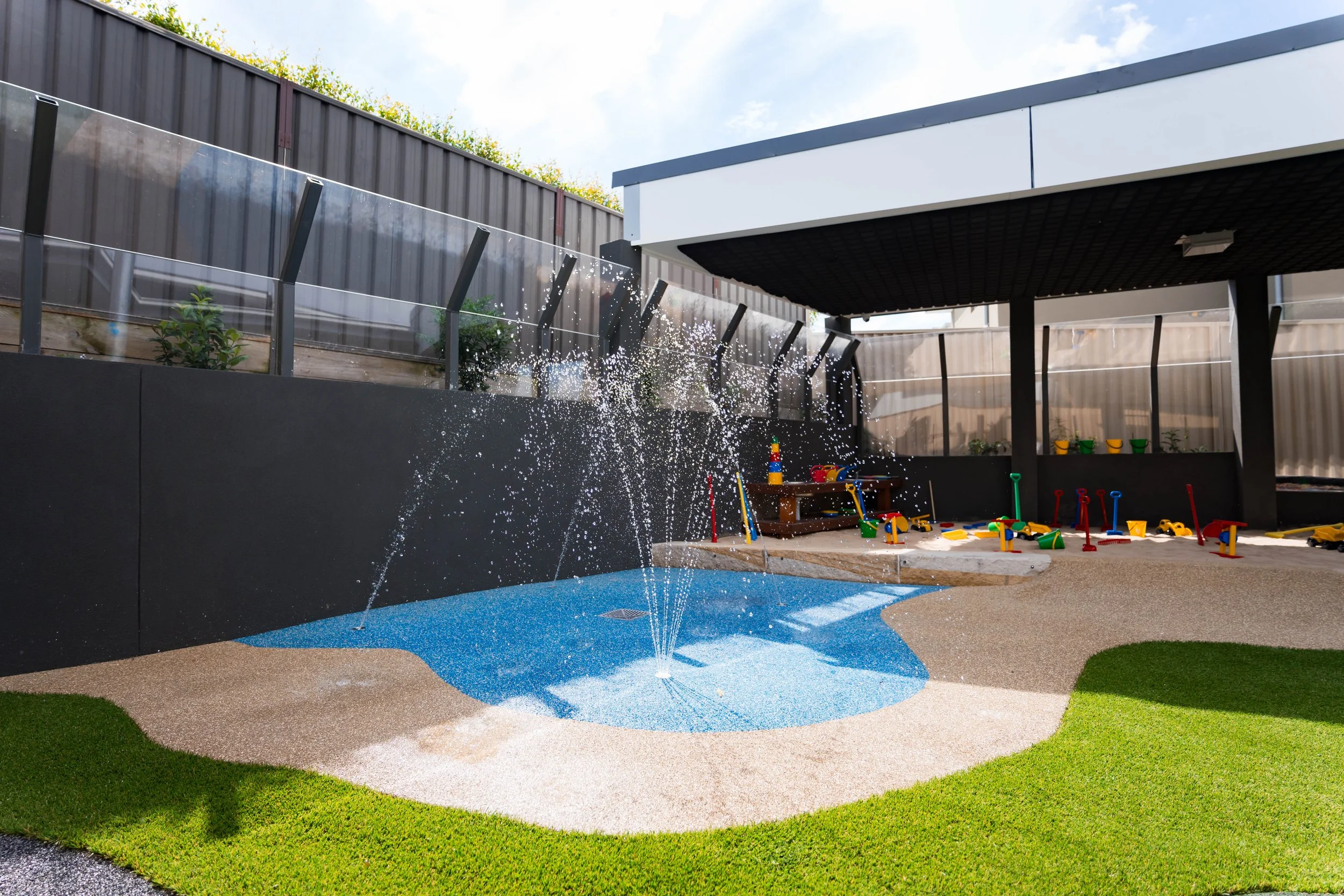
Families naturally notice the physical environment first. Clean rooms, attractive resources and generous outdoor areas can create an immediate sense of confidence.Those features matter, but it is worth asking how the spaces are actually used.A quality learning environment is not filled with resources merely to look impressive. Materials should be chosen and arranged so children can explore, create, test ideas, move, rest and play with others.Natural resources can be particularly valuable because they do not always tell children there is only one correct way to use them. Leaves, stones, timber pieces, sand, water and open-ended materials can become part of sorting, building, storytelling, imaginative play and investigation.Indoor spaces should offer a balance between active and quieter experiences. Children may need places to read, create, build, talk, retreat or participate in group learning. The layout should help educators supervise children without making every activity feel crowded.Outdoor areas should also be planned as learning environments rather than treated as spaces where children simply release energy. Look for opportunities involving movement, nature, sensory experiences, problem-solving, social play and safe challenge.ACECQA describes a quality physical environment as one that is safe and suitable, and that offers rich and diverse experiences that promote children’s learning and development.During your tour, ask why particular areas have been designed the way they are. The answer can tell you whether the centre thinks deeply about children’s learning or mainly focuses on appearance.

Find Out What “Learning” Means at the Centre

Parents sometimes worry that play-based learning means children are left to entertain themselves without direction.Quality play-based learning is much more deliberate than that.Educators observe what children are doing, listen to their ideas and identify opportunities to extend their thinking. They may introduce new vocabulary during imaginative play, add measuring tools to a sand experience or help children work through a disagreement. The learning is connected to what children are doing, but the educator still brings knowledge, planning and intention.The Kids Central Edensor Park program is based on the Early Years Learning Framework and combines planned experiences with opportunities for free play. Its stated aim is to support children’s social, emotional, cognitive and physical development while responding to individual needs and interests.Ask a centre how it plans its program and how families can see what their children are learning. A strong answer should go beyond listing weekly activities.You may want to ask:How do educators decide what to include in the program?How are my child’s interests reflected?What do educators observe and document?Can families contribute ideas or information from home?How is learning adapted for different ages?How does the program support children without rushing them?The most meaningful learning is not always the easiest to display on a wall. A child negotiating a turn, asking for help, persisting with a difficult task or explaining an idea may be developing skills that will support them for years.

Safety and Cleanliness Should Be Easy to Discuss

You should never feel uncomfortable asking detailed questions about health and safety.A clean appearance is important, but it is only one part of a safe service. Ask about secure entry, collection procedures, supervision, hygiene, illness, medication, food allergies, emergency preparation and how incidents are communicated.You can also notice practical details while touring:Can educators see children clearly throughout the environment?Are exits and access points secure?Are handwashing areas easy for children to use?Are sleep and rest areas supervised?Is equipment maintained?Do spaces feel organised rather than cluttered?Are allergy and medical requirements treated seriously?Kids Central identifies cleanliness, secure access and regular health and safety checks as part of its approach. The centre’s published allergy process includes alternative ingredients, allergy information for staff and measures intended to prevent cross-contamination.A trustworthy centre should be able to explain its procedures without becoming defensive or relying on vague assurances.

Nutrition Is Part of the Care Your Child Receives

Children may eat several meals and snacks at childcare each day, so the food program deserves more attention than it sometimes receives during the decision-making process.Ask to see the menu. Look at the variety offered across the week and find out how meals are prepared. Ask how the centre manages allergies, cultural requirements, food preferences and children who are still learning to accept different tastes and textures.Mealtimes should support more than nutrition. They are also opportunities for conversation, independence, social skills and learning to recognise hunger and fullness.Kids Central’s daily fees include five nutritional meals prepared each day by an on-site cook. The centre also provides alternative ingredients for various dietary restrictions and maintains procedures to reduce cross-contamination.Parents should feel comfortable discussing their child’s eating habits honestly. A child who takes time to try unfamiliar food is not being difficult. Educators and families can work together far more effectively when neither side feels judged.

Communication Should Tell You More Than What Your Child Ate

Daily updates are helpful. Parents naturally want to know about meals, sleep, toileting and activities.Good communication, however, should not stop with a digital summary.You should know who to approach when you have a question. Educators should be willing to share what they notice, including emerging interests, friendships, challenges, and changes in behaviour. Families should also have meaningful opportunities to share what is happening at home.A difficult morning, a new sibling, disrupted sleep, or a change in family circumstances can affect how a child experiences the day. Educators do not need every private detail, but relevant information can help them respond with greater understanding.Kids Central uses the secure OWNA app to communicate privately with families. Its wider approach also emphasises regular communication, family input and strong partnerships between home and the centre.When you visit a centre, ask how communication works when:Your child has had a difficult dayYou are worried about development or behaviourAn incident occursYour family routine changesYou disagree with a decisionYour child needs additional supportYou want to contribute to the learning programYou are not looking for a centre that promises there will never be a concern. You are looking for people who will communicate honestly and work through concerns with you.

Think About Whether the Centre Works for Your Whole Family

A centre can offer an excellent program, but still be difficult for your family to use consistently.Consider the practical parts of the arrangement, including location, opening hours, fees, included items, holiday closures, parking, enrolment requirements and the Child Care Subsidy.Kids Central Edensor Park is located at 79 Swan Road and operates from 7.00 am to 6.00 pm, Monday to Friday. It is open throughout the year except for public holidays. Published daily-fee inclusions include educational programs, five meals, nappies, wipes, bed linen and sunscreen.Convenience should not be the only reason you choose a centre, but it matters. A routine that places unnecessary pressure on mornings and afternoons can affect the whole household.Ask for a clear explanation of fees and inclusions before you enrol. Do not assume two centres with similar daily rates provide the same things.

Use the Quality Rating as One Part of Your Decision

Most approved early childhood services receive a rating against the seven areas of the National Quality Standard. Families can use the official StartingBlocks childcare search to view available service information, compare options and build a shortlist.The rating is worth checking, but it should not replace a visit.A published rating gives you an independent point of reference. A tour helps you understand how the centre currently feels, how educators interact and whether its approach suits your child.Look at both.

Questions Worth Taking to Your Centre Tour

You do not need to ask every question in a single visit, but the following list can help you go beyond the standard tour.

About your child

How will you get to know my child before they begin?Can we attend orientation visits?How do you support children who find separation difficult?Can my child bring a family photo or comfort item?How do you respond when a child does not want to join an activity?

About educators

What qualifications does the team hold?How long have the educators worked here?How are educators supported by centre leadership?How do you manage staffing changes?How do ratios work during meals, rest periods and outdoor play?

About learning

How is the program planned?How do children’s interests influence it?How do educators extend learning through play?How will I learn about my child’s development?How do you prepare older children for school?

About safety and well-being

How do you manage allergies and medication?What happens if my child becomes unwell?How are incidents communicated?What meals and snacks are provided?How are sleep and rest supervised?How do you protect children’s cultural and emotional safety?

About family communication

Who should I speak to if I have a concern?How are daily updates shared?How can families contribute to the program?How do you work with families when a child needs additional support?Pay attention not only to the answers, but also to how your questions are received. A centre that values family partnerships should welcome respectful questions.

What the Best Choice Should Give You

You may not leave a tour knowing every detail. You should leave with a clearer sense of how the centre treats children and communicates with families.The right setting should give your child room to be themselves. It should provide safety without removing every opportunity for exploration, learning without forcing children into formal instruction too early and structure without ignoring individual needs.It should also give you confidence that you can have an honest conversation when something matters.At Kids Central Early Learning Centre Edensor Park, we want families to see beyond the website and experience the centre for themselves. You can meet our educators, look through the indoor and outdoor environments and ask the questions that are important to your family.You are welcome to arrange a tour or contact our team before making your decision. We will take the time to listen, learn about your child and explain how our approach works in everyday practice.