
What School Readiness Means for Western Sydney Families
School readiness can become a very anxious conversation.
You hear that another child can already read simple books. Someone else can write their full name. A parent at the park mentions counting to 100, and suddenly, you wonder whether your child is falling behind before school has even begun.
I understand why families worry. Kindergarten feels like a major step, and parents naturally want to give their child the strongest possible start.
However, school readiness is not a competition to see who can learn primary-school skills earliest.
The NSW Department of Education is clear that readiness is not simply about reading, writing and mathematics. It includes a child’s overall development and their ability to participate and grow within a school environment. Children also continue developing these abilities throughout the school year.
That broader understanding matters.
A child may recognise every letter but be unable to tell an adult when they need help. Another child may not yet be able to write their name, but they can listen to a story, explain an idea, form relationships, and keep trying when something becomes difficult.
Both children bring strengths. Both still have things to learn.
What I want Western Sydney families to understand is that children do not need to arrive at the school gate as finished learners.
They need adults who understand where they are now, environments that allow them to participate and opportunities to develop confidence across many different parts of life.
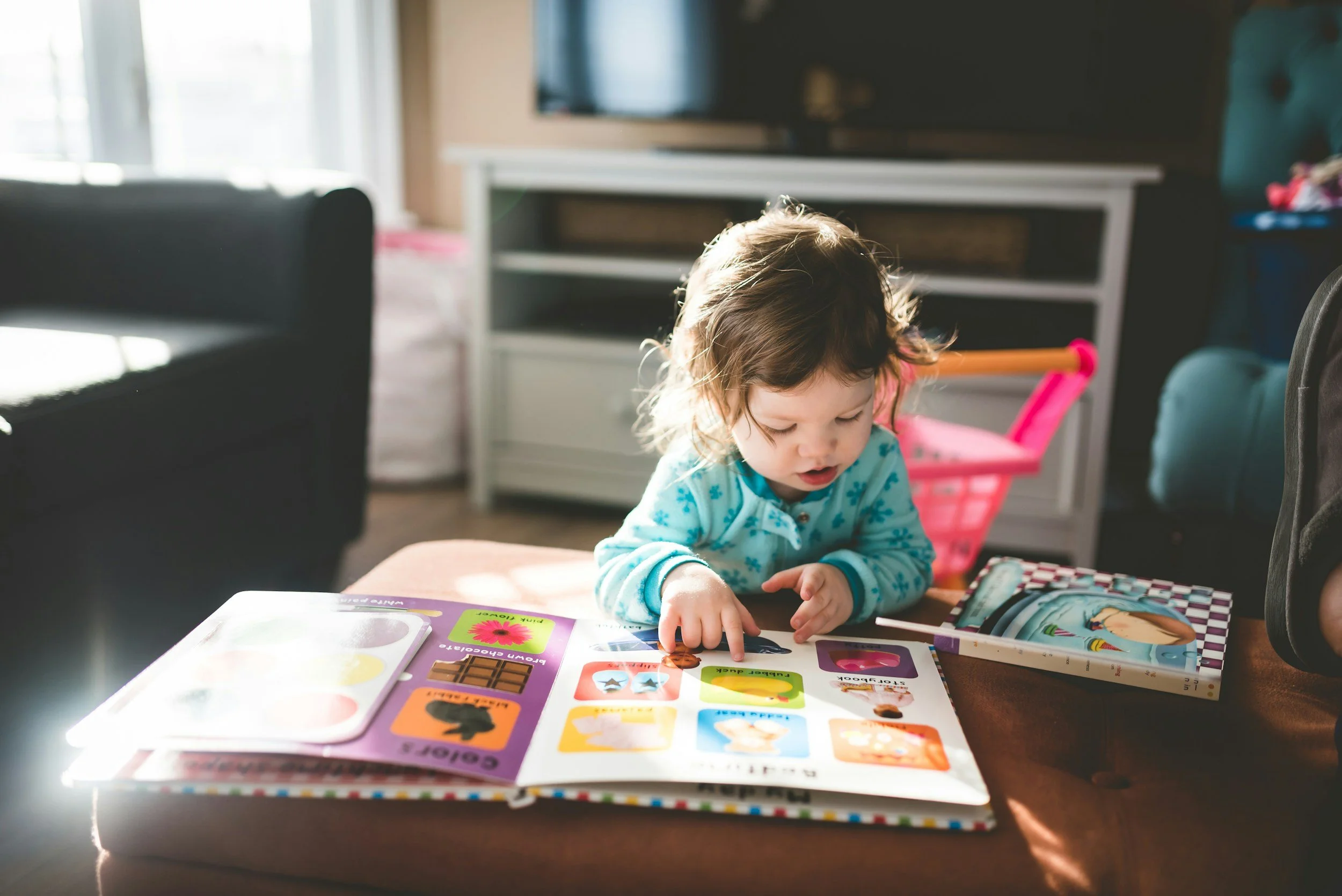
Readiness Is About the Whole Child
The Australian Early Development Census looks at children’s development when they begin school across five areas:
Physical health and wellbeing
Social competence
Emotional maturity
Language and cognitive skills
Communication skills and general knowledge
The AEDC is a population-level measure rather than a test parents should use to score an individual child. Its five domains are still a helpful reminder that readiness reaches far beyond academic knowledge.
If we focus only on letters and numbers, we miss the child who is still learning to manage a long day, communicate discomfort, join a group or recover after something goes wrong.
I prefer to think about readiness through a simple question:
What will help this child participate in the school day?
The answer will be different for every child.
Physical Readiness Means More Than Being Able to Sit Still
A school day asks a great deal of a child’s body.
They may need to walk through a larger environment, carry belongings, use playground equipment, manage clothing, open a lunchbox, use unfamiliar toilets and remain alert across a longer day.
Physical readiness may include:
Having enough energy to participate
Moving safely through busy spaces
Developing balance and coordination
Using hands for drawing, opening containers and managing tools
Recognising hunger, thirst and tiredness
Managing toileting with growing independence
Dressing and undressing with some assistance
Knowing when the body needs rest
Following basic hygiene routines
This does not mean a child needs perfect coordination or complete independence in self-care.
A child can be ready for school and still need help with buttons, food packaging or toileting. The useful question is whether they are beginning to participate in these routines and whether the school knows what support they require.
School days require stamina
Children can cope very differently with a full day, depending on sleep, nutrition, health, sensory demands, and the effort they use to communicate or regulate themselves.
A child may appear comfortable during a short orientation session and feel exhausted after several full school days.
That tiredness can appear at home as:
Tears
Irritability
Clinginess
Reduced patience
Difficulty making decisions
Increased hunger
Sleep changes
Temporary toileting changes
A need for more physical comfort
I would not immediately interpret those responses as evidence that school is going badly.
The child may simply be using a great deal of energy to understand a new environment.
Families can help by keeping the first weeks relatively calm, where possible. A snack, quiet play, outdoor movement and an earlier bedtime may be more useful than filling every afternoon with another activity.
Social Readiness Is Not the Same as Being Outgoing
Some children enter a group and begin talking immediately.
Others watch.
A quiet child is not necessarily less socially capable. They may need more time to understand the people, expectations and relationships around them.
Social readiness can include beginning to:
Approach another child
Join existing play
Suggest an idea
Listen to someone else’s idea
Share space and resources
Wait for a turn
Protect a personal boundary
Accept that another person may disagree
Repair a relationship after conflict
Participate in a group routine
Spend time alone without assuming they have been rejected
Form relationships with adults outside the family
A child does not need to be highly confident in every social setting.
They do need adults who notice how they enter relationships and support them without imposing a single personality style.
Friendship skills are still developing
Parents sometimes worry when a child does not have a best friend before school.
A familiar face can be reassuring, but school readiness is not dependent on securing one friendship in advance.
Children benefit more from practising flexible social skills.
You might help your child try phrases such as:
“Can I play too?”
“Please stop.”
“I am still using that.”
“Can I have a turn when you are finished?”
“Would you like to build with me?”
These phrases will not appear perfectly during every emotional moment. They simply give the child possible ways to respond.
Educators can support the same development through group play, conversations and help with everyday disagreements.
Kids Central’s Transition to School Program identifies communication, collaboration, empathy and respect as important parts of social development before primary school.
Emotional Readiness Does Not Mean Never Crying
A school-ready child can still feel worried.
They may cry at separation, become angry when a plan changes, or need help after a friendship problem.
Emotional maturity is not the absence of emotion. It is the gradual development of ways to recognise feelings, seek support and recover.
A child may be developing emotional readiness when they begin to:
Recognise that they are upset
Accept comfort from a trusted adult
Communicate that something is wrong
Wait briefly for help
Cope with a small change
Try again after disappointment
Use words, signs or gestures instead of immediately acting physically
Understand that another person has feelings
Return to an activity after calming
Separate from family with support
I would never tell a parent that a child needs to stop crying before they can be considered ready for school.
The question is whether the adults around the child understand what the distress is communicating and whether the child is gradually building trust in the people who can help.
Regulation develops through relationships
Young children do not learn emotional regulation by being repeatedly told to calm down.
They learn through the experiences of another person remaining calm with them.
An educator may say:
“You are disappointed because the blocks fell. I am here. We can look at what happened when you are ready.”
The adult is not removing every difficult feeling.
They are showing the child that frustration can be survived and that another step can follow.
Over time, children may begin using some of those strategies themselves.
Communication Readiness Is Bigger Than Clear Speech
Schools contain many moments when a child needs to communicate.
They may need to say that they are hurt, confused, thirsty, frightened or unable to find something.
Not every child will do that through a complete spoken sentence.
Communication may involve:
Speech
Gestures
Signs
Facial expressions
Visual supports
A communication device
Home-language words
Taking an adult towards something
Showing an object
Becoming unusually quiet
Readiness is not about forcing every child to communicate in one way.
It is about making sure the child has an effective way to be understood and that the adults around them know how to notice it.
Parents can tell preschool educators and the future school:
How the child asks for help
What they do when confused
Which words they use for toileting, food or discomfort
Whether they tend to agree even when they have not understood
What happens when they become overwhelmed
Which visual or communication supports help
Whether unfamiliar adults find their speech difficult to understand
Those details may be far more useful than simply stating that the child is shy or has limited language.
Home Language Is Part of Readiness
Families sometimes worry that speaking a language other than English at home will leave a child less prepared for school.
I would not ask a family to reduce the language in which they communicate most naturally, warmly and fully.
Home language carries:
Family relationships
Stories
Humour
Culture
Explanations
Affection
Knowledge
Connections between generations
Continue talking, reading, singing and telling stories in the language that allows your family to communicate richly.
Tell educators and the school which languages your child understands and uses. Share important words and explain whether the child understands more English than they currently speak.
A child learning English does not arrive without language.
They are arriving with knowledge that needs to be recognised and built upon.
The NSW Department of Education provides transition resources in several community languages and encourages families to share relevant information with schools as part of preparation.
Language and Cognitive Readiness Are Not a Worksheet Score
Children begin developing early literacy and numeracy long before formal school instruction.
They do it through real experiences.
A child is exploring literacy when they:
Listen to a story
Retell something that happened
Recognise their name
Make a sign for pretend play
Sing rhymes
Draw and explain the drawing
Ask what a word says
Notice letters in the environment
Dictate a message to an adult
Use books to investigate an interest
They are exploring numeracy when they:
Count plates for lunch
Compare two towers
Notice a pattern
Sort objects
Share resources
Measure water
Decide which container holds more
Follow a sequence
Talk about time
Use words such as under, behind and beside
These experiences help children understand why reading, writing and mathematics are useful.
That understanding is a stronger foundation than memorising information without context.
What if my child cannot write their name?
Name writing is one visible skill, so it often becomes a source of worry.
A child may begin by:
Recognising their name
Identifying the first letter
Making letter-like marks
Copying part of the name
Asking an adult to write it
Using a symbol to identify their belongings
These are all steps.
Writing also requires language knowledge, memory, fine motor control, and visual coordination. Children develop those parts at different rates.
You can make writing available without making it a test.
Provide drawing materials. Let your child see you write lists and messages. Help them label a picture when they ask. Invite them to sign a card.
Do not turn every drawing into handwriting practice.
General Knowledge Grows Through Everyday Life
Children bring knowledge from their homes, families and communities.
One child may know a great deal about trains. Another may understand cooking, gardening, animals, music, construction, faith, family celebrations or caring for a younger sibling.
That knowledge matters.
School readiness is not about every child knowing exactly the same collection of facts.
It includes curiosity, communication and the confidence to connect new information with what the child already understands.
Families can support this through ordinary conversation:
“What did you notice?”
“Why do you think that happened?”
“What could we try?”
“How is this different from the one we saw yesterday?”
You do not need to know every answer.
Saying “I am not sure, let’s find out” shows the child that learning can begin with uncertainty.
Independence Means Participating, Not Coping Alone
Independence is one of the most misunderstood parts of school readiness.
It does not mean a child stops needing adults.
It means they are gradually taking part in routines, making choices and recognising when help is required.
A child may practise:
Carrying a bag
Recognising belongings
Putting on a hat
Opening a drink bottle
Attempting clothing fastenings
Packing away
Washing hands
Using the toilet
Choosing between two suitable options
Asking an adult for assistance
You can support independence without withdrawing help too quickly.
Try:
“You begin, and I will help if it becomes difficult.”
“You pull the zip once I have started it.”
“Which part can you do?”
“You could not open the lid, so you asked for help.”
The child learns two useful messages:
I am capable of participating.
I do not have to manage everything alone.
Kids Central’s transition program supports confidence through age-appropriate responsibilities, including dressing and managing belongings.
Following Instructions Is Not the Same as Obedience Without Question
School involves instructions because groups need to move and learn safely.
Children benefit from being able to listen to a short direction and begin acting on it.
That may involve:
“Put your bottle in your bag and come to the mat.”
“Wash your hands, then find a place at the table.”
“Stop at the gate and wait for an adult.”
However, readiness should not mean teaching a child to follow every adult instruction without thought.
Children also need to know that they can:
Ask for clarification
Say they do not understand
Tell a trusted adult when something feels unsafe
Protect bodily boundaries
Question an instruction that conflicts with a known safety rule
Seek another adult when help is not provided
We want children who can participate in group routines while retaining their voice.
Kids Central’s child-safety commitment states that children should be safe, feel safe and have their voices heard in decisions that affect them.
Play Is One of the Main Ways Children Prepare
Parents sometimes feel they should replace play with more formal learning as school approaches.
I would be very careful about that.
Play gives children opportunities to practise many of the exact abilities used at school.
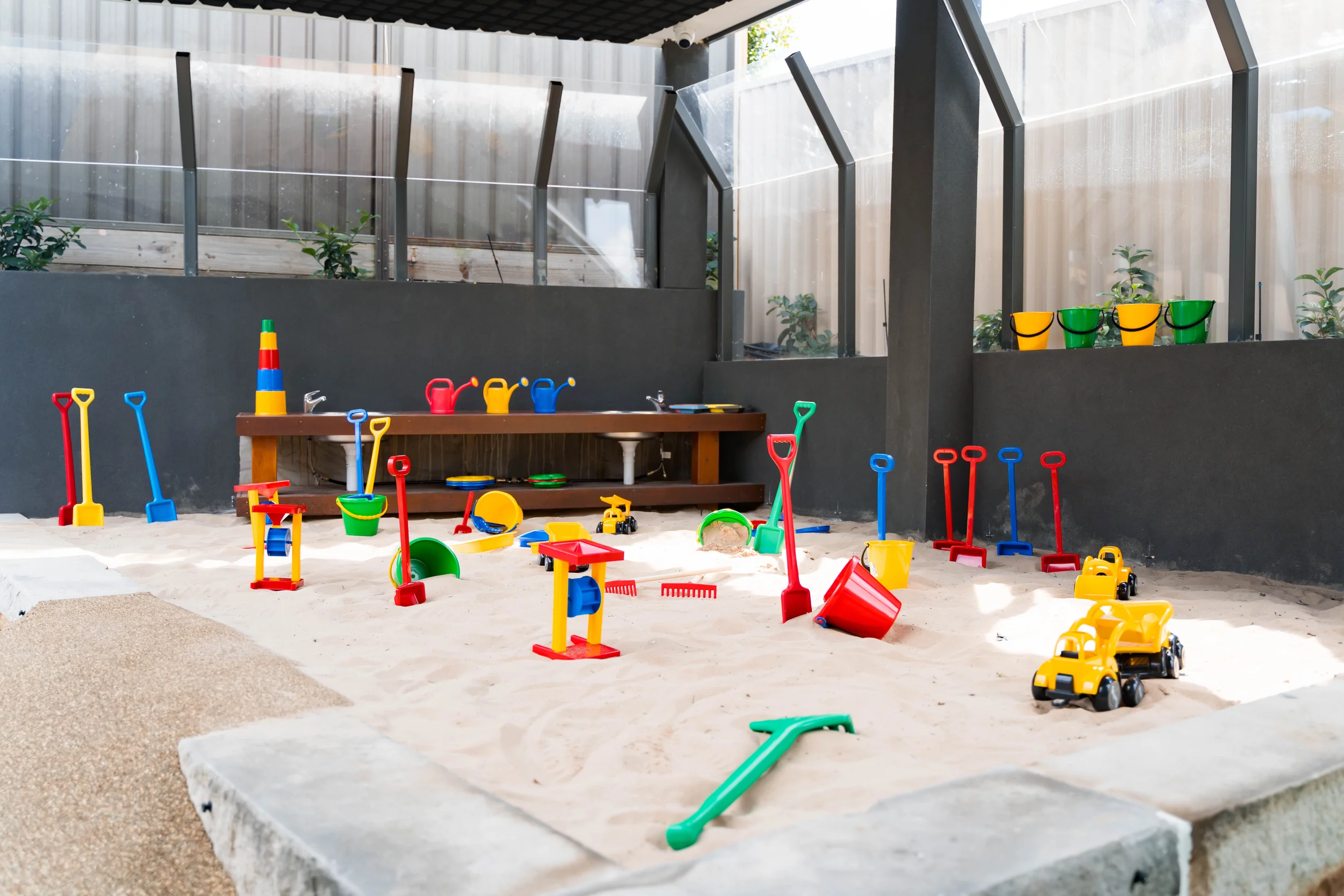
During construction play, children may:
Plan
Measure
Negotiate
Persist
Change an idea
Explain their thinking
During imaginative play, they may:
Use language
Explore roles
Develop stories
Consider another person’s perspective
Make and revise rules
During outdoor play, they may:
Build coordination
Assess risk
Cooperate
Develop confidence
Learn how their body moves
During creative play, they may:
Make decisions
Communicate symbolically
Use fine-motor skills
Experiment without one correct answer
The Early Years Learning Framework requires early childhood programs to respond to each child’s developmental needs, interests, experiences, and individual differences. It includes guidance on play-based learning, continuity, transitions, inclusion and respectful relationships.
Kids Central’s Transition to School Program combines structured learning with imaginative play and hands-on early literacy and numeracy experiences.
Play does not delay readiness.
When it is thoughtfully supported, play is one of the ways readiness develops.
Readiness Cannot Be Judged From One Activity
A child may refuse to participate in an assessment or educator-planned experience for many reasons.
They may be:
Tired
Unfamiliar with the adult
Worried about getting the answer wrong
Distracted
Overwhelmed by noise
Unable to understand the wording
More comfortable showing the skill during play
Communicating in another way
This is why educators observe children across time and different situations.
A child who does not count objects when directly asked may count accurately while preparing plates in pretend play.
A child who does not answer during a group conversation may explain a complex idea while speaking with one trusted educator.
No single moment tells the whole story.
At Kids Central, the existing program outlines individualised learning plans and assessments across cognitive, language, social-emotional, and physical areas, so teaching can respond to each child’s strengths and areas for growth.
Assessment should help adults plan support.
It should not become a label that follows the child into every conversation.
The School Needs to Prepare Too
Readiness is often discussed as though the child must change until they fit into school.
I believe responsibility is shared.
Children prepare through growing familiarity, relationships, routines and skills.
Families prepare through enrolment, communication and practical planning.
Early childhood educators prepare by sharing knowledge and supporting continuity.
Schools prepare by learning about the children who are coming and considering what support they need.
The NSW transition guidance encourages families to speak with early childhood educators, share relevant information with the school, discuss the Transition to School Statement, and attend orientation sessions. It also recommends contacting a local school as early as possible when a child may require additional support.
The question should not only be:
“Is the child ready for this school?”
It should also be:
“What does the school need to know so it can welcome this child well?”
What Information Should Move With the Child?
Families sometimes worry that sharing a difficulty will create a negative impression.
I understand that concern.
However, withholding useful information can leave the new teacher trying to understand needs that educators and family members already know how to support.
Useful transition information may include:
Interests and strengths
Communication methods
Home languages
Important relationships
Successful comfort strategies
Sensory needs
Medical information
Disability or developmental support
Toileting needs
Approaches that help with transitions
Situations the child finds difficult
Ways the child joins a group
What motivates them
How they show that they need help
The information should describe more than problems.
A child is not a medical plan, diagnosis or list of concerns.
The new teacher should also hear what makes them laugh, what captures their attention and when they feel most capable.
Readiness for Children With Additional Needs
A child with disability, developmental delay, medical needs or communication differences does not need to become indistinguishable from other children before school.
Readiness may look different.
For one child, an important step may be learning to use a visual schedule.
For another, it may be communicating a toileting need, tolerating part of a group routine or becoming familiar with a mobility route through the school.
Families should contact the prospective NSW public school as early as possible when additional support may be required. Current NSW guidance recommends beginning this conversation ideally two years before Kindergarten, so the school has time to plan with the family.
You may need to share:
Healthcare plans
Emergency plans
Disability information
Communication systems
Sensory supports
Mobility requirements
Allied health recommendations
Adjustments used in preschool
Equipment requirements
Information about safe participation
Do not wait until the first day to raise a need that requires training, equipment or environmental planning.
Early discussion is not making trouble.
It gives the adults more time to do their job properly.
Orientation Builds Readiness Through Familiarity
Orientation does not exist, so children can prove they are ready.
It helps them become better prepared by reducing uncertainty.
A school visit can help the child recognise:
The entrance
The classroom
The teacher
The toilets
The playground
Where bags may go
Where families say goodbye
Where collection may happen
The NSW Department of Education explains that orientation and transition sessions allow children to meet staff and classmates, visit classrooms and become more comfortable with the school environment.
Some children participate immediately.
Others watch from beside their parent.
Both are learning.
After orientation, you might ask:
“What did you notice?”
That question is often easier than:
“Did you like it?”
It gives the child room to share without needing to provide a positive verdict.
Family Routines Can Help Without Becoming School at Home
Parents do not need to recreate a Kindergarten classroom.
Home preparation is most useful when it remains connected to ordinary family life.
Read together
Choose books your child enjoys.
Talk about the pictures. Wonder what may happen. Let them interrupt with ideas. Revisit favourites.
The goal is not to test comprehension after every page.
It is to build language, enjoyment, and an understanding of the fact that books carry meaning.
Include children in practical tasks
Cooking, shopping, gardening and sorting laundry can support:
Counting
Sequencing
Measurement
Vocabulary
Responsibility
Problem-solving
Fine-motor development
Children learn more when they are allowed to participate rather than only watch adults complete the task efficiently.
Practise real belongings
Let your child use the lunchbox, bag and drink bottle they may take to school.
Can they recognise them? Open them? Ask for help when something is too difficult?
A container that appears convenient to an adult may be frustrating for a child during a short lunch break.
Use short routines
A simple morning sequence can help:
Get dressed, eat breakfast, brush teeth, pack the bag and put on shoes.
A child who benefits from visual information may use pictures showing those steps.
Make room for rest and unstructured play
Readiness is not improved by exhausting a child with preparation activities.
Children need time to recover, imagine and direct their own play.
What School Readiness Is Not
It is not reading before Kindergarten
Reading early can be a strength, but it is not the entrance requirement for school.
Children begin Kindergarten with a wide range of literacy experiences.
It is not perfect handwriting
Writing requires time, practice, physical coordination and meaningful reasons to use print.
It is not sitting silently for long periods
Young children need movement. Listening and group participation can grow without expecting stillness beyond their developmental capacity.
It is not never needing help
Knowing when and how to seek assistance is itself an important skill.
It is not emotional perfection
A ready child may still cry, become frustrated or feel uncertain.
It is not speaking English exactly like every other child
Multilingual children bring language, knowledge and identity with them.
It is not completing every task the same way
Children can demonstrate understanding through speech, action, gestures, drawing, play, and other forms of communication.
It is not being the oldest, tallest or most confident child
Age and confidence can influence experience, but readiness is not determined by a single characteristic.
It is not making the preschool year feel like primary school
Preschool has value in its own right. Children deserve rich early-childhood experiences rather than a year dominated by practising for the next setting.
Signs Your Child Is Building Readiness
There is no perfect checklist, but you may notice your child beginning to:
Trust adults outside the family
Communicate needs in a useful way
Participate in short group experiences
Explore books, language, numbers and patterns
Attempt self-care tasks
Recognise personal belongings
Ask for help
Join or observe other children’s play
Persist after something becomes difficult
Accept comfort
Cope with small changes with support
Follow a short sequence
Express ideas
Move between active and quieter experiences
Show curiosity
Understand that family members leave and return
A child will not show all of these every day.
Development is uneven.
They may manage belongings independently and still need considerable emotional support. They may communicate confidently but find transitions between groups difficult.
Readiness is a developing pattern, not a pass-or-fail result.
When to Ask for More Support
Speak with your child’s educator, health professional or prospective school when you are concerned about:
Communication
Hearing
Vision
Movement
Toileting
Eating
Sleep
Intense distress
Social participation
Behaviour changes
Sensory responses
Developmental progress
A medical condition
The child’s ability to make needs known
You do not need to wait until you are certain something is wrong.
A conversation may lead to reassurance, closer observation or a referral for further support.
All of those outcomes can be useful.
The NSW transition timeline also recommends a four-year-old health and development check in the year before school and early sharing of relevant support information.
What Readiness Looks Like at Kids Central
Kids Central’s Transition to School Program is designed for children aged four to five.
The current program describes readiness as academic, social, emotional, and physical preparation rather than a single narrow academic result. It includes individualised planning, play-based learning, social development, confidence, independence and early literacy and numeracy through stories, rhymes, counting games and hands-on experiences.
In everyday practice, that can mean children have opportunities to:
Communicate with educators and peers
Make decisions
Solve problems
Manage belongings
Participate in routines
Explore books and symbols
Use numbers meaningfully
Develop coordination
Work through disagreements
Try again
Ask for help
Build confidence in unfamiliar experiences
Our client-approved approach also places importance on qualified educators, inclusion, family communication, safe and clean environments, natural resources and thoughtfully planned indoor and outdoor spaces.
Those areas are connected.
A child cannot demonstrate what they know if they do not feel safe enough to participate.
They cannot practise independence if adults either complete every task or withdraw help too quickly.
They cannot develop communication if nobody has time to listen.
School readiness grows through the quality of the whole environment.
Questions to Ask Your Child’s Educator
You do not need to ask whether your child is simply “ready” or “not ready”.
More specific questions lead to a more useful conversation.
You might ask:
When does my child appear most confident?
How do they enter group play?
Do they ask adults for help?
What happens when something becomes difficult?
How do they cope with transitions?
How do they communicate in a larger group?
Which interests support their learning?
What independence skills are developing?
Are there areas where they need more support?
What strategies work well?
What should we share with the school?
How can we support continuity at home without creating pressure?
Ask for examples.
“Your child is doing well socially” is reassuring but broad.
“Your child has started inviting one other child into construction play and can now ask for a turn with educator support” gives you a clearer understanding.
Questions Families Commonly Ask
Does my child need to read before school?
No.
Reading together, enjoying stories, recognising meaningful print and experimenting with language are useful foundations. Formal reading instruction will continue at school.
Should my child know all letters and numbers?
Children begin school with different levels of knowledge.
Interest in letters, sounds, counting, patterns and quantities can be supported naturally. There is no need to turn preparation into repeated testing.
Does my child need to write their name?
It can be useful if they recognise their name and are beginning to experiment with writing, but perfect name writing is not the definition of readiness.
What if my child is shy?
A child does not need to become outgoing.
Help them communicate needs, build relationships gradually and become familiar with trusted adults. Tell the school what helps them participate.
What if my child cries at separation?
Crying does not automatically mean they are unready.
Use predictable goodbyes, attend orientation, and observe how the child participates after separation. Speak with educators if distress remains intense.
What if English is not our main language?
Continue using your home language.
Share keywords and communication information with educators and the school. Strong family communication and identity remain important.
What if my child is not fully independent with toileting?
Discuss the situation honestly with the school and preschool educators. Practise manageable parts of the routine and provide relevant medical or developmental information.
Avoid shame.
What if my child has a disability or developmental delay?
Contact the prospective school early and share information about communication, health, access and successful supports.
Readiness should focus on participation and appropriate planning, not making the child conform before they are welcomed.
How can I tell whether we should delay school?
This is an individual family decision.
Speak with your child’s early childhood teacher or educator, health professionals, where relevant, and the prospective school. Consider the whole child rather than relying on a single academic skill or on comparisons with another child.
In NSW, children may start Kindergarten if they turn five on or before 31 July that year and must be enrolled by their sixth birthday.
Readiness Is a Conversation, Not a Verdict
I do not want a parent to leave a school-readiness conversation feeling that their child has been reduced to a score.
Children are more complex than that.
A child can be capable and cautious.
They can be curious and still need help communicating.
They can know a great deal and find the school day physically tiring.
They can cry at goodbye and still develop strong relationships once you leave.
The purpose of discussing readiness is not to decide whether the child is good enough for school.
It is to understand what they already bring, what is still developing and what the adults around them can do to support the transition.
For Western Sydney families, that means communication between home, early learning and the future school.
It means sharing language, culture, health information, strengths and concerns.
It means attending orientation and making routines familiar.
It also means protecting children from unnecessary pressure.
At Kids Central Early Learning Centre, we want children to approach school with curiosity, confidence and the knowledge that asking for help is allowed.
They do not need to know everything before they begin.
They need a foundation strong enough to keep learning, and adults who are ready to build from where they are.